

Blog
Eye Care Plus Blog
Learn more about optometrist care in our blog!

Aging gracefully often involves acknowledging and addressing changes in our health, particularly when it comes to our vision

Dry eyes may occur for many different reasons, from seasonal allergies to a dry, dusty environment or a problem with the eye’s ability to make high-quality tears.

There have been concerns about the blue light emitted by our digital devices and its long-term effects on our vision.

Picking the right eyewear can feel overwhelming with all the choices out there.

Cataracts can be a concern for many people as they get older. When your risk for cataracts increases because of age, you may also start to wonder about the other possible causes of cataracts and how using digital devices may affect your eyes.
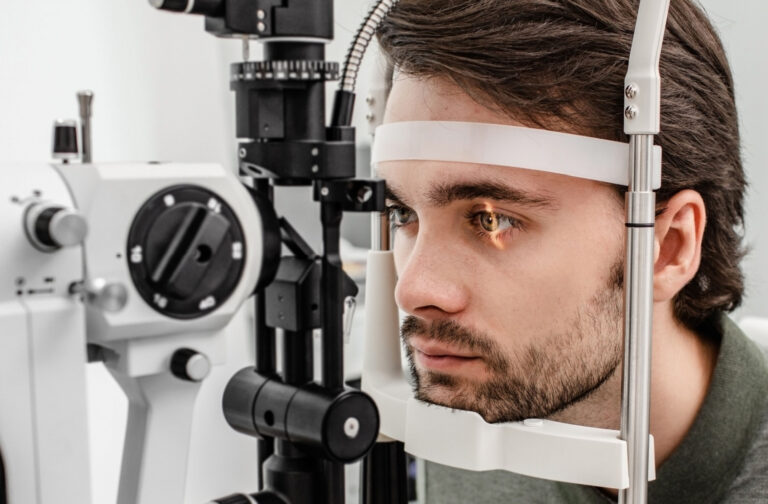
Your eyes are remarkable organs and an important part of your body as they allow you to see and perceive the world around you.

Developing healthy eyesight plays a role in your child’s academic and social growth. Eye exams can help detect any early vision problems that may lead to learning difficulties or other complications.
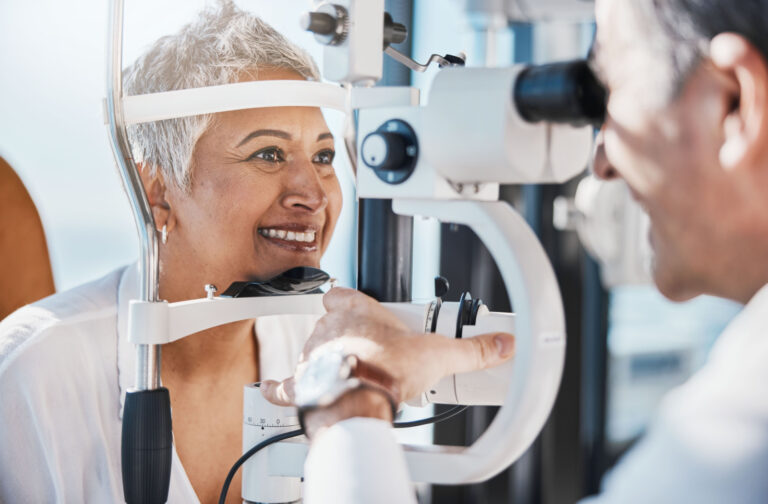
Glaucoma is often called the “silent thief of sight” because it develops without noticeable signs or symptoms and can only be identified through a comprehensive eye exam.

Eye exams are an integral part of maintaining good eye health, and one of the standard diagnostic tools used by optometrists is dilation.

Contact lenses can be a game-changer for anyone who needs vision correction but doesn’t want the hassle of glasses.


South Coulter Location
Phone:
(806) 855-8090OFFICE HOURS:
- Monday 8:00am - 5:00pm
- Tuesday 8:00am - 5:00pm
- Wednesday 8:00am - 5:00pm
- Thursday 9:30am - 5:00pm
- Friday 8:00am - 4:00pm
- Saturday 9:00am - 12:00pm
- Sunday Closed
Grand Location
OFFICE HOURS:
- Monday 8:30am - 5:00pm
- Tuesday 8:30am - 5:00pm
- Wednesday 8:30am - 5:00pm
- Thursday 9:30am - 5:00pm
- Friday 8:30am - 4:00pm
- Saturday Closed
- Sunday Closed
© 2026 Eye Care Plus. All rights Reserved. Accessibility Statement - Privacy Policy - Terms and Conditions - Sitemap
Powered by:
