

Do Blue Light Glasses Help with Optics?
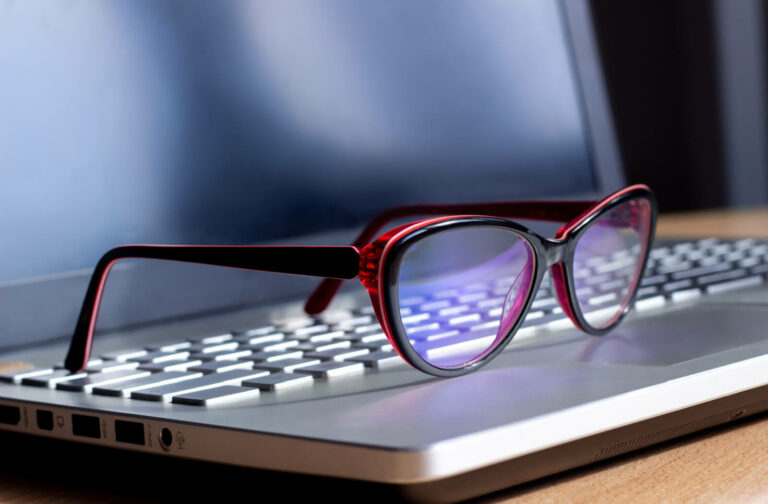
If your eyes feel strained or dry after a long day of using screens, you’re not alone. With the rise of technology and our dependence on it, many of us are experiencing the effects of digital eye strain.
There have been concerns about the blue light emitted by our digital devices and its long-term effects on our vision. Blue light glasses have gained popularity as a way to address these concerns while correcting vision. These glasses are prescription or nonprescription eyewear designed with special lenses that filter blue light and claim to reduce eye strain and headaches and improve sleep quality.
But do they work? Blue light glasses may provide some relief for those who experience eye strain or headaches from prolonged screen use, but the effects differ from person to person.
What Is Blue Light?
Blue light is a type of high-energy visible light emitted by the sun. It has positive effects, such as boosting alertness and mood and regulating our sleep-wake cycle.
Our electronic devices, like smartphones, laptops, and tablets, also emit blue light. As the use of digital devices has become more prominent in our society, the general concern is that this excessive exposure will cause retinal damage like macular degeneration.
Fortunately, there is no clinical evidence that blue light exposure from digital devices will cause long-term eye damage.
While ultraviolet (UV) light exposure from the sun increases our risks of eye diseases, blue light is not on the same level. The amount of blue light we’re exposed to from screens is much less than that from the sun.
What Are the Effects of Blue Light on Our Health?
Although no evidence suggests our eye health is at risk from digital device use, exposure to artificial blue light before bed can disrupt our ability to fall and stay asleep.
Our bodies use blue light to wake up. So, getting too much from our phones, tablets, laptops, or tanning beds can suppress our melatonin production. This hormone helps regulate our sleep-wake cycle, meaning our bodies may not produce enough melatonin to help us sleep.
What Is the Link Between Blue Light & Digital Eye Strain?
With increased computer use in everyday life, many people experience uncomfortable symptoms of digital eye strain when using a computer, smartphone, or tablet for longer than 2 hours.
Digital eye strain is a collection of symptoms caused by digital screen use. It can lead to dry eyes, headaches, blurred vision, and neck and shoulder pain.
The blue light emitted by our screens may contribute to this condition. Blue light has a shorter wavelength and more energy than other colors on the visible light spectrum, meaning it scatters more easily, making it harder for our eyes to focus correctly. This is because blue light scatters easily, creating visual “noise” that strains our eyes when focusing. This constant refocusing can lead to eye fatigue and discomfort.
However, digital eye strain is not solely due to blue light; it also occurs because:
- We tend to blink less when looking at screens. Blinking is crucial for maintaining eye lubrication and eye comfort. When we don’t blink, our eyes become tired and dry.
- The combination of small text and bright colors on screens can make it challenging for our eyes to focus, causing eye strain and discomfort.
- Digital screens consist of pixels that emit light directly into our eyes, creating a contrast between the bright screen and darker surroundings. This constant adjustment can lead to eye fatigue.
Digital eye strain is temporary and has no lasting effect. However, other eye conditions have similar symptoms, so it’s important to talk to your eye doctor if you experience dry eyes, headaches, or fatigue when using a computer.

Do Blue Light Glasses Prevent Digital Eye Strain?
Blue light glasses have been marketed to improve sleep and reduce digital eye strain by absorbing excess blue light from electronic devices. However, the effectiveness of blue light glasses in preventing digital eye strain is still a topic of debate.
There is some anecdotal evidence to indicate that blue light glasses can help reduce eye strain and improve sleep, but these glasses aren’t standardized enough to provide consistent results among individuals.
The effectiveness of blue light glasses depends on their design, the quality of the lens, and the level of blue light emission from your device. Ultimately, you can prevent digital eye strain in other ways:
- Practice the 20-20-20 rule. Every 20 minutes, look at something 20 feet away for 20 seconds. This break helps relax our eye muscles and reduce strain.
- Limit your exposure to blue light before you go to sleep. Turn off your phone and TV about 30 minutes before and read or listen to music.
- Adjust the color of your screen. Many devices now have a “night mode” or “blue light filter” setting you can turn on in the evening.
- Invest in proper lighting for your workspace. Make sure you have adequate natural and artificial lighting to reduce glare and prevent eye strain.
Also, make sure you are sitting at an appropriate distance from your screen (about arm’s length), avoiding slouching or hunching over, and taking breaks throughout the day to stretch and relax your eyes.
Do We Need Blue Light Glasses?
The answer is not clear-cut. Some experts argue that our bodies are naturally equipped to handle blue light exposure, and it’s more important to take breaks from screens and practice good screen habits rather than rely on glasses. However, others believe that, with the increasing use of digital devices, our eyes may benefit from additional protection.
Whether or not you invest in blue light glasses depends on your needs and habits. Blue light glasses may be worth considering if you spend a lot of time in front of screens and experience symptoms like eye strain, headaches, or difficulty sleeping.
A conversation with your eye doctor is a good place to start. Give us a call at Eye Care Plus, and we will book an appointment for a comprehensive eye exam. Together, we can examine your eyes, discuss your lifestyle and symptoms, and help determine a practical solution for your visual discomfort.


South Coulter Location
Phone:
(806) 855-8090OFFICE HOURS:
- Monday 8:00am - 5:00pm
- Tuesday 8:00am - 5:00pm
- Wednesday 8:00am - 5:00pm
- Thursday 9:30am - 5:00pm
- Friday 8:00am - 4:00pm
- Saturday 9:00am - 12:00pm
- Sunday Closed
Grand Location
OFFICE HOURS:
- Monday 8:30am - 5:00pm
- Tuesday 8:30am - 5:00pm
- Wednesday 8:30am - 5:00pm
- Thursday 9:30am - 5:00pm
- Friday 8:30am - 4:00pm
- Saturday Closed
- Sunday Closed
© 2026 Eye Care Plus. All rights Reserved. Accessibility Statement - Privacy Policy - Terms and Conditions - Sitemap
Powered by:
