

Do Cataracts Cause Dry Eyes?

Aging gracefully often involves acknowledging and addressing changes in our health, particularly when it comes to our vision. 2 common eye conditions that affect older adults are cataracts and dry eye.
The current research on cataracts and dry eye suggests that there may be a connection between cataracts and dry eyes, where one can exacerbate the other. However, cataracts themselves do not cause dry eyes.
What Are Cataracts?
This eye condition, prevalent in older individuals, is characterized by the clouding of the eye’s lens. As cataracts develop, vision becomes progressively blurry and colors dull, impacting daily activities and quality of life.
Understanding Cataracts
Cataracts are a well-documented age-related concern for vision. As the eye’s lens, which is primarily made of water and protein, breaks down over time, it becomes cloudy, leading to vision impairment. Risk factors for cataracts include:
- Aging
- Diabetes
- Prolonged exposure to ultraviolet light
- Smoking
- Family history of cataracts at a young age
- Obesity
- High blood pressure
- Past eye injury or inflammation
- Previous eye surgery
- Steroid medication use
The only effective treatment for cataracts is surgical removal. During cataract surgery, an ophthalmologist removes your clouded natural lens and replaces it with an intraocular lens (IOL). An IOL is an artificial lens that will permanently stay in your eyes.
What Is Dry Eye?
Dry eye, also a frequent occurrence with aging, happens when the eyes don’t produce enough tears or the right quality of tears to keep the eye hydrated and comfortable. Symptoms include dryness, burning, scratchiness, and the sensation of a foreign body in the eye.
Understanding Dry Eyes
Dry eyes are more complex than simple tear deficiency. This condition can have multiple causes, including:
- Aging
- Side effects of certain medications
- Environmental factors, such as wind and dry air
- Underlying health conditions like rheumatoid arthritis
- Prolonged screen time
- Certain diseases, such as rheumatoid arthritis, Sjögren’s syndrome, thyroid disease, and lupus
- Blepharitis (when eyelids are swollen or red)
- Using contact lenses for a long time
- Having refractive eye surgery, such as LASIK
Managing dry eyes involves various approaches, from over-the-counter artificial tears to prescription eye drops. In severe cases, our patients have seen excellent results when treated with Intense Pulsed Light (IPL).
The range of potential causes highlights that dry eyes are not a condition that can be treated the same way for everyone, and tailored treatment plans are necessary.
The Potential Interplay of Cataracts & Dry Eye
Research suggests a connection between cataracts and dry eye syndrome. One study in Investigative Ophthalmology & Visual Science found an association between certain types of cataracts and dry eyes, indicating that the impact of cataracts on the eye may contribute to the dryness.
Symptoms & Diagnosis
Understanding the symptoms of both cataracts and dry eyes is crucial for seeking the right kind of help.
Cataract symptoms include:
- Blurry vision
- Glare or halos around lights
- A progressive need for brighter light for reading and other activities
Dry eye symptoms include:
- A feeling of grittiness in the eyes
- Burning sensation
- Excessive tearing, which can actually be a reflex response to the dryness
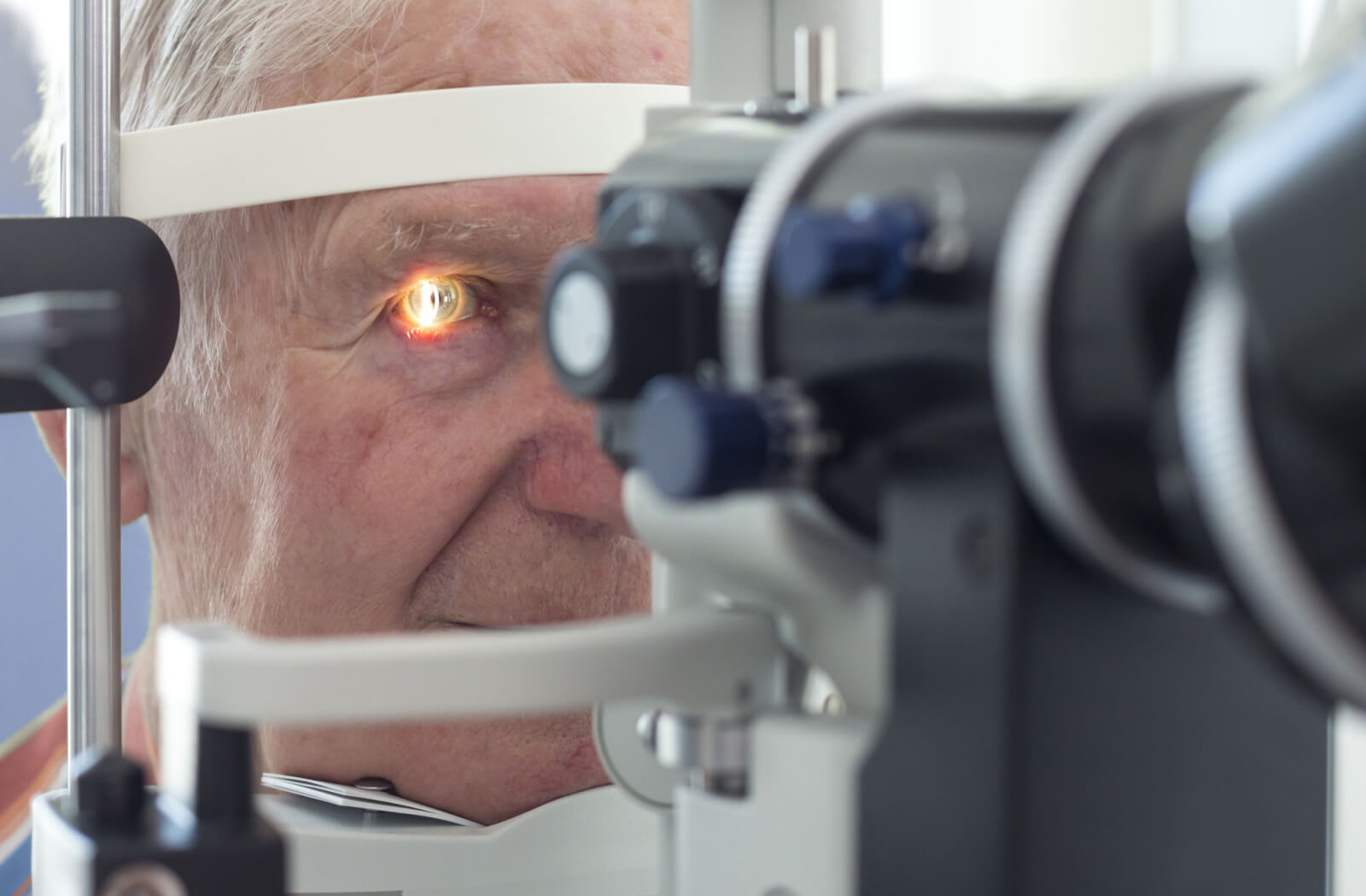
Diagnosing cataracts and dry eyes involves a comprehensive eye exam. Other tests may be needed, such as a slit-lamp examination to look for cataracts and tear osmolarity test to diagnose dry eyes.
Treatment Options
Treatment for both cataracts and dry eyes varies greatly, reflecting their different underlying causes and mechanisms.
Cataract Treatment
The primary treatment for cataracts is surgical removal. This procedure can be highly effective at restoring clear vision.
Dry Eye Treatments
Managing dry eye can be more nuanced, since treatments vary depending on the cause. Artificial tears are often the first line of defense, but other interventions may be necessary, including:
- Prescription eye drops
- Intense Pulsed Light (IPL) Treatment
- Warm compresses and lid massages to help with the secretion of oils in the tears
- Dietary supplements like omega-3 fatty acids
It’s important to note that treatment may evolve over time, and consistent followups with eye care professionals are crucial.
Prevention & Management Strategies
Preventing cataracts and dry eyes involves managing underlying health conditions, avoiding excessive UV exposure, and adopting healthy lifestyle habits.
For cataract prevention:
- Wear sunglasses with UV protection
- Eat a diet rich in antioxidants
- Manage diabetes through medication and lifestyle changes
For dry eye prevention:
- Take regular breaks from screens
- Use a humidifier in dry environments
- Avoid direct airflow from fans or air conditioners
For those dealing with both conditions, strategies for managing one can often complement the other. For instance, managing dry eyes can help prevent eye strain, which has been linked to the development of cataracts. Additionally, those preparing for cataract surgery should make sure their dry eye condition is well managed beforehand, as postoperative dry eye symptoms can exacerbate discomfort during recovery.
Seeking Professional Advice
It’s clear that a holistic approach to eye health, considering all facets of our ocular well-being, is not only beneficial but essential as you age. Whether it’s staying informed about the potential association between cataracts and dry eyes or following a comprehensive eye care routine, taking proactive steps can help you see the world in all its vivid detail for years to come. Reach out to us at Eye Care Plus and book your next appointment for a comprehensive eye exam today.

South Coulter Location
Phone:
(806) 855-8090OFFICE HOURS:
- Monday 8:00am - 5:00pm
- Tuesday 8:00am - 5:00pm
- Wednesday 8:00am - 5:00pm
- Thursday 9:30am - 5:00pm
- Friday 8:00am - 4:00pm
- Saturday 9:00am - 12:00pm
- Sunday Closed
Grand Location
OFFICE HOURS:
- Monday 8:30am - 5:00pm
- Tuesday 8:30am - 5:00pm
- Wednesday 8:30am - 5:00pm
- Thursday 9:30am - 5:00pm
- Friday 8:30am - 4:00pm
- Saturday Closed
- Sunday Closed
© 2026 Eye Care Plus. All rights Reserved. Accessibility Statement - Privacy Policy - Terms and Conditions - Sitemap
Powered by:
