

Cataracts in Amarillo, TX
Gain Clarity in Your Understanding of Cataracts
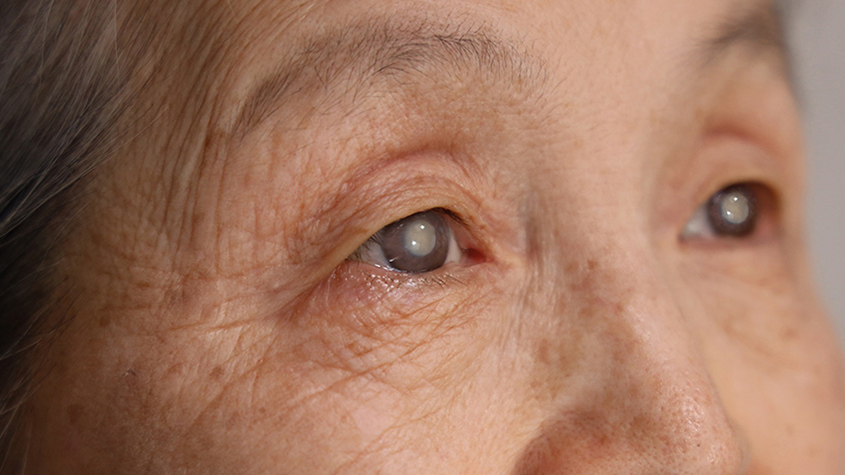
Cataracts are the clouding or fogging of the eyes’ natural lenses. They generally occur with age, but can also be a result of injury or trauma to the eye.
Cataracts can progress slowly, and symptoms, like foggy vision, increased difficulty seeing at night, or halos, can be corrected using eyeglasses or brighter lights. However, if cataracts start to impact your ability to perform your daily activities, such as reading or driving, you may require cataract surgery.
What Causes Cataracts?
Cataracts generally occur naturally as part of the aging process. As we age, the proteins in our lenses begin to break down and clump together, creating cloudy vision. This clouding increases over time, progressing in severity.
There are some risk factors associated with the development of cataracts or early-onset cataracts. You can help prevent or delay cataracts by remaining aware of these risks:
- Diabetes increases the risk of developing cataracts and other eye diseases.
- Tobacco use is associated with the development of cataracts.
- Eye injuries can lead to cataracts and require medical attention.
- UV light is well-known for causing damage to the skin and eyes but is also associated with the development of cataracts.
Certain medications, such as steroids, can increase the risk of cataracts.
Prevention
An ounce of prevention is worth a pound of cure, as the saying goes, and it applies to cataracts. Although cataract surgery is safe and effective, it’s also the last resort when it comes to treatment. You can help prevent or delay cataracts by:
- Undergoing regular, comprehensive eye exams. Exams are the best thing you can do to monitor your ocular health.
- Managing health problems, such as diabetes. Be sure to see your doctor regularly and follow all medical recommendations.
- Wearing sunglasses outdoors to protect you from UV light.
- Wearing safety eye protection at work and play to prevent eye injuries.
Eating well and maintaining a healthy diet that includes brightly colored fruits and vegetables.


South Coulter Location
Phone:
(806) 855-8090OFFICE HOURS:
- Monday 8:00am - 5:00pm
- Tuesday 8:00am - 5:00pm
- Wednesday 8:00am - 5:00pm
- Thursday 9:30am - 5:00pm
- Friday 8:00am - 4:00pm
- Saturday 9:00am - 12:00pm
- Sunday Closed
Grand Location
OFFICE HOURS:
- Monday 8:30am - 5:00pm
- Tuesday 8:30am - 5:00pm
- Wednesday 8:30am - 5:00pm
- Thursday 9:30am - 5:00pm
- Friday 8:30am - 4:00pm
- Saturday Closed
- Sunday Closed
© 2026 Eye Care Plus. All rights Reserved. Accessibility Statement - Privacy Policy - Terms and Conditions - Sitemap
Powered by:
