

What is the First Sign of Glaucoma?
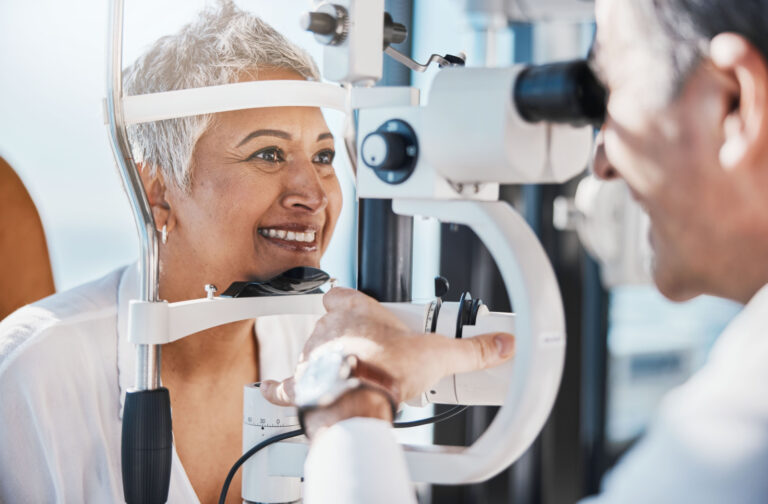
Glaucoma is often called the “silent thief of sight” because it develops without noticeable signs or symptoms and can only be identified through a comprehensive eye exam.
Glaucoma damages the optic nerve and leads to irreversible vision loss. Identifying the early signs of glaucoma is crucial for timely intervention and preserving vision.
Understanding Glaucoma
Glaucoma is a group of eye conditions that damage the optic nerve, which is responsible for transmitting visual information from your eyes to your brain. Glaucoma is most often associated with increased intraocular pressure (IOP).
Depending on the form of glaucoma, you may experience gradual or rapid vision loss and even blindness.
According to the Centers for Disease Control and Prevention (CDC), glaucoma is the second leading cause of blindness worldwide.
The First Sign of Glaucoma
In most cases, the early stages of glaucoma do not present any noticeable signs. However, there are several types of glaucoma, each with its unique symptoms.
The 4 primary forms of glaucoma are:
- Open-angle glaucoma
- Angle-closure glaucoma
- Normal-tension glaucoma
- Secondary glaucoma
Open-Angle Glaucoma
Open-angle glaucoma is the most common form of the condition, accounting for an estimated 95% of all cases nationwide. This type of glaucoma progresses slowly and can lead to gradual vision loss.
Open-angle glaucoma is caused by the inefficiency of the eye’s drainage system, leading to increased IOP. This pressure may press against the optic nerve, causing damage and leading to permanent vision loss and, potentially, blindness.
The exact cause of open-angle glaucoma is ultimately unknown. However, risk factors include age, family history, and other health factors.
This form of glaucoma does not usually present with symptoms until permanent vision loss has occurred. The first noticeable sign of open-angle glaucoma is usually loss of peripheral vision.
Angle-Closure Glaucoma
Angle-closure glaucoma occurs rapidly and should be treated as a medical emergency. It can occur due to a sudden blockage within the eye, leading to a rapid increase in IOP that may damage the optic nerve.
The first signs of angle-closure glaucoma include sudden eye pain, blurred vision, bright halos, eye redness, and nausea or vomiting.
Normal-Tension Glaucoma
Normal-tension glaucoma occurs when IOP levels are normal, but damage to the optic nerve still occurs. The exact cause of normal-tension glaucoma is not known, but it may be due to blood flow issues or a sensitive optic nerve.
Similar to open-angle glaucoma, normal-tension glaucoma does not present any symptoms until the condition has caused vision loss.
Secondary Glaucoma
Secondary glaucoma generally develops due to other eye conditions, traumas, or health conditions that can cause increased intraocular pressure.
The signs and symptoms of secondary glaucoma vary based on the underlying cause.
Early Detection & Diagnosis
While vision changes are typically the first noticeable sign of glaucoma, your eye doctor can detect the condition before it causes permanent vision loss. Glaucoma can only be diagnosed during a comprehensive eye exam. During this exam, your eye doctor will conduct a series of tests to evaluate your vision and overall eye health. During an eye exam, your eye doctor will measure your IOP. An elevated pressure level can be a key indicator of most forms of glaucoma.
Other glaucoma tests include examining the optic nerve and testing your field of vision. These are all standard tests during a routine eye exam and can play a crucial role in diagnosing glaucoma before it causes permanent damage to your eye health and vision.
Treating Glaucoma
While there is currently no cure for glaucoma, several treatment options can help slow its progression and prevent further vision loss. Most treatment options for glaucoma aim to reduce IOP and include:
- Prescription eye drops
- Oral medication
- Laser therapy
- Surgery
The most appropriate treatment option depends on the severity and progression of your condition. It is important to detect and manage glaucoma early and help preserve vision and prevent further damage to the optic nerve. Regular eye exams, especially for those at risk, are essential for early detection and timely intervention.
Here to Support Your Eye Care Needs
A routine eye exam can reveal much about your vision and overall health. Eye exams are essential in detecting and diagnosing a wide range of vision and general health conditions, including glaucoma.Our office has advanced testing which allows us to detect early signs that can preserve your vision for your future.
Contact the team at Eye Care Plus to schedule your comprehensive eye exam at either of our 2 conveniently-located offices.


South Coulter Location
Phone:
(806) 855-8090OFFICE HOURS:
- Monday 8:00am - 5:00pm
- Tuesday 8:00am - 5:00pm
- Wednesday 8:00am - 5:00pm
- Thursday 9:30am - 5:00pm
- Friday 8:00am - 4:00pm
- Saturday 9:00am - 12:00pm
- Sunday Closed
Grand Location
OFFICE HOURS:
- Monday 8:30am - 5:00pm
- Tuesday 8:30am - 5:00pm
- Wednesday 8:30am - 5:00pm
- Thursday 9:30am - 5:00pm
- Friday 8:30am - 4:00pm
- Saturday Closed
- Sunday Closed
© 2026 Eye Care Plus. All rights Reserved. Accessibility Statement - Privacy Policy - Terms and Conditions - Sitemap
Powered by:
