

Can Cataracts Cause Double Vision?
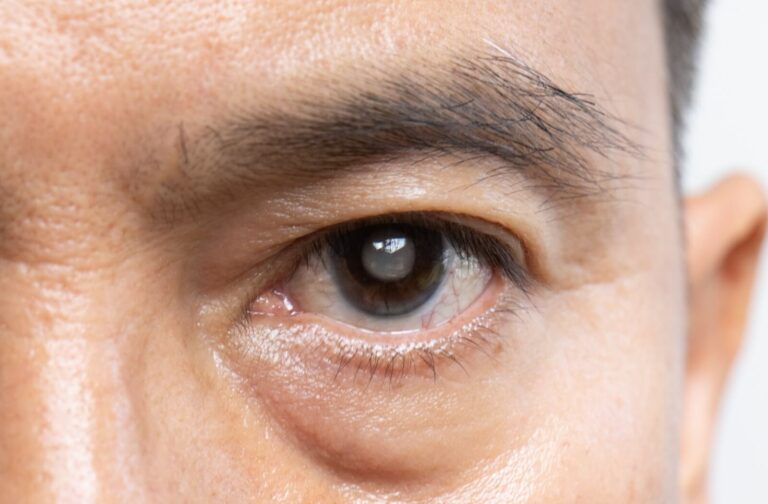
Cataracts are a common age-related eye condition that can cause symptoms like double vision, blurry vision, and halos around lights. Imagine looking through a foggy window. That’s how vision can feel for someone with cataracts.
Cataracts typically develop slowly, but early detection through a comprehensive eye exam is ideal. Your eye doctor can incorporate things like eyeglasses or contact lenses into your eye care plan to help keep your vision clear until cataract surgery is the best solution.
What Is a Cataract?
A cataract is a clouding of the lens in the eye that eventually decreases vision. It’s a common condition, especially in older adults, and can affect one or both eyes.
Symptoms & Early Signs of Cataracts
Cataracts typically develop gradually, often starting with minor symptoms that can easily be overlooked. Here are some early signs to watch out for:
- Blurry vision: One of the first indications of cataracts is blurry or cloudy vision. It may feel like you’re looking through a frosted window.
- Double vision: This can occur in one eye and is especially troubling when trying to focus on detailed tasks.
- Sensitivity to light: Bright lights may cause discomfort or even pain, which can be particularly noticeable when driving at night.
- Fading colors: Colors may appear less vibrant, making the world seem duller than it is.
- Frequent prescription changes: If you frequently need new glasses or contact lenses, it could be a sign of cataracts.
Recognizing these symptoms early on can mean quicker intervention and better outcomes. Pay attention to these signs, and consult an eye care professional if you notice any changes in your vision.
Treatment Options for Cataracts
Fortunately, cataracts are treatable, and several options are available depending on their severity. Here are some common treatments:
- Eyeglasses and contact lenses: In the early stages of cataracts, simply updating your eyeglass prescription might help improve vision clarity.
- Phacoemulsification surgery: This is the most common surgical procedure for cataracts. A small incision is made, and the cloudy lens is emulsified and removed. Then, an artificial lens is placed in the eye.
- Extracapsular surgery: During this procedure, a larger incision is made to remove the clouded lens in one piece. An intraocular lens is implanted to restore vision.
- Laser surgery: Laser technology can also be used to break up the cataract-affected lens, making it easier to remove.
Each treatment option has pros and cons, and the best approach depends on individual circumstances. Consulting with your eye doctor will help determine the most suitable treatment plan for you.

The Link Between Cataracts & Vision Impairment
When the eye’s lens becomes cloudy due to cataracts, it scatters light entering the eye. This scattering can affect how images are processed by the retina, leading to vision problems. One such problem is double vision, medically known as diplopia.
Double vision occurs when the eye muscles or the lens do not work correctly, forming 2 images of a single object. This can be particularly disorienting and troublesome for daily activities like reading or driving. The specific way cataracts cause double vision can vary, but it’s generally related to the irregular way light is bent as it passes through the clouded lens.
Many people with cataracts experience other vision problems alongside double vision, but cataracts are the most common lens problem that can result in double vision.
Cataract Prevention Tips
While some factors contributing to cataracts are beyond our control, such as age and genetics, several lifestyle changes can help reduce the risk:
- Wear sunglasses: Protecting your eyes from harmful UV rays can slow the progression of cataracts. Choose sunglasses that block 100% of UV rays.
- Quit smoking: Smoking increases the risk of cataracts and other eye conditions. Quitting smoking can significantly benefit your overall eye health.
- Healthy diet: A diet rich in antioxidants, vitamins, and minerals can support eye health. Include foods like leafy greens, carrots, and fish in your meals.
- Control blood sugar: If you have diabetes, managing your blood sugar levels can help prevent the development of cataracts.
- Regular eye exams: Routine eye check-ups can catch the early signs of cataracts, allowing for timely intervention.
By incorporating these habits into your daily routine, you can help protect your vision and delay the onset of cataracts.
Talk to Your Eye Doctor Today
Cataracts are a common yet treatable eye condition that can cause significant vision impairment, including double vision. Early detection and treatment are key to maintaining good vision and quality of life. Regular eye exams, healthy lifestyle choices, and protective measures can help reduce the risk of developing cataracts.
If you suspect you have cataracts or are experiencing symptoms like double vision, consult your eye doctor. Contact our team at Eye Care Plus to book an exam today. One of our experienced optometrists can examine your eyes and offer tailored advice.


South Coulter Location
Phone:
(806) 855-8090OFFICE HOURS:
- Monday 8:00am - 5:00pm
- Tuesday 8:00am - 5:00pm
- Wednesday 8:00am - 5:00pm
- Thursday 9:30am - 5:00pm
- Friday 8:00am - 4:00pm
- Saturday 9:00am - 12:00pm
- Sunday Closed
Grand Location
OFFICE HOURS:
- Monday 8:30am - 5:00pm
- Tuesday 8:30am - 5:00pm
- Wednesday 8:30am - 5:00pm
- Thursday 9:30am - 5:00pm
- Friday 8:30am - 4:00pm
- Saturday Closed
- Sunday Closed
© 2026 Eye Care Plus. All rights Reserved. Accessibility Statement - Privacy Policy - Terms and Conditions - Sitemap
Powered by:
