

Does Everyone Get Cataracts?

Everyone eventually reaches the age where cataracts become the topic of choice for vision concerns. It makes sense. Cataracts are a common eye condition among older adults and a leading cause of blindness.
Cataracts are your eye’s lenses becoming hard and clouding, which naturally happens as we age. Everyone gets some level of cataracts, though you can take steps to reduce their severity. Before cataracts impact your daily life, an optometrist can examine your eyes and recommend treatments.
What Are Cataracts?
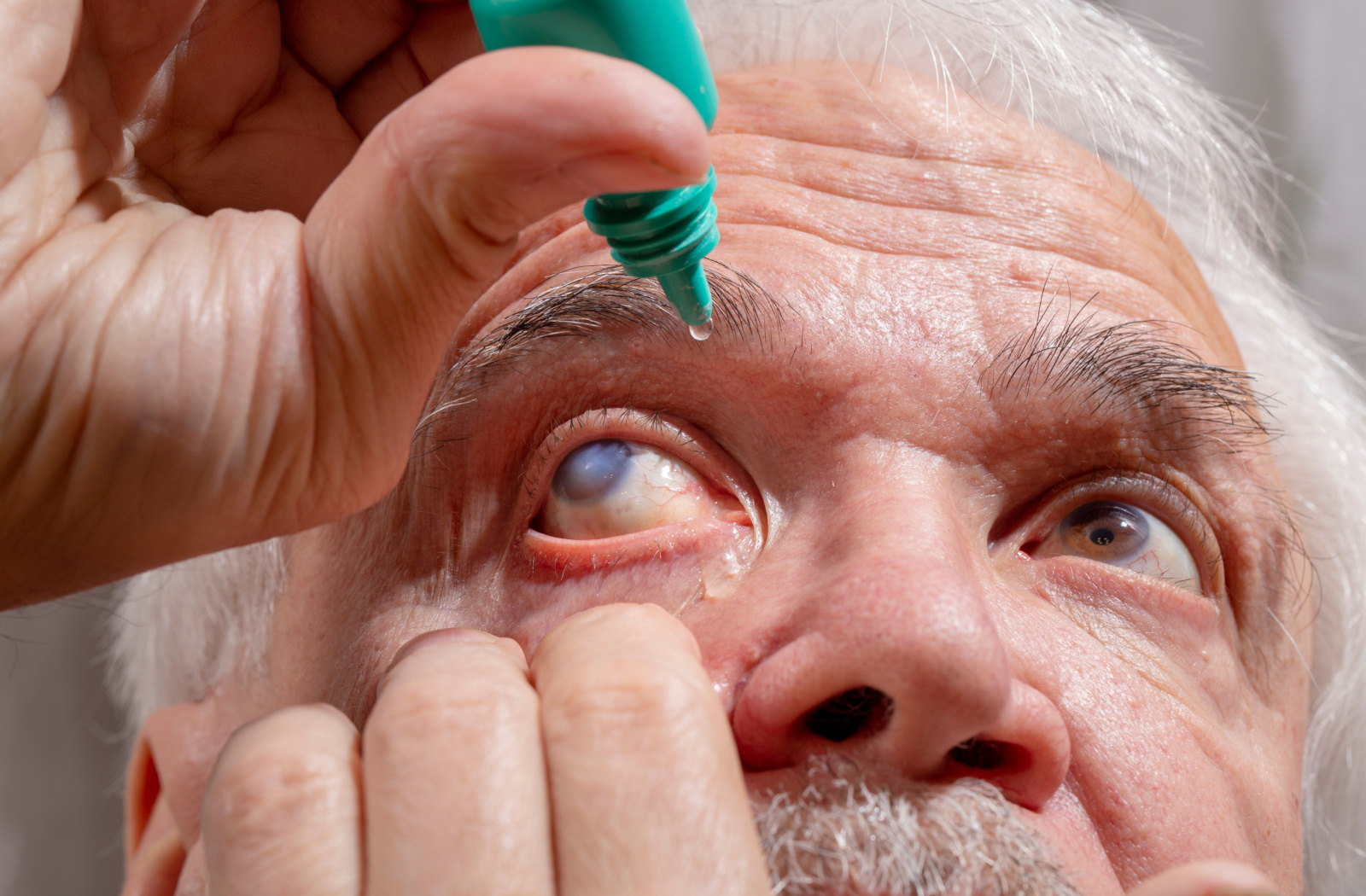
First of all, let us define what a cataract is. A cataract is a clouding of the eye’s natural lens. The lens is essential for focusing light onto the retina at the back of the eye, where it is transferred to the brain. This clouding can occur in 1 or both eyes but cannot spread between them.
While this can sound intimidating, it’s a normal part of aging. As we grow older, the protein in our eyes can clump together. This makes the lens harder and less transparent, resulting in blurry vision.
Cataracts severity can depend on where on the lens the cataract forms:
- Nuclear cataracts form in the center of the lens. This can turn the lens yellow or brown.
- Cortical cataracts begin as white wedge-like spots around the outer edge of the lens.
- Posterior subcapsular cataracts form at the back of the lens and usually develop faster than other types.
What Causes Cataracts?
Although older people are more likely to develop cataracts, they can occur in folks of all ages, even newborn babies and young adults. Cataracts are generally split into 5 types, depending on what causes them:
- Age-related cataracts: The most common type of cataracts develops due to natural changes in your eyes. Depending on where they form, they can be nuclear, cortical, or posterior subcapsular cataracts.
- Traumatic cataracts: Trauma or injury to the eye can affect the lens, resulting in the formation of cataracts. This type of cataract can develop immediately or several years down the line after an injury.
- Radiation cataracts: Exposure to ionizing radiation, such as those from radiation therapy or UV light, can cause cataracts to form. They can appear quickly or may take years to develop.
- Pediatric cataracts: Very rarely, children can be born with cataracts or develop them in early childhood. This could be genetic, caused by an infection during pregnancy, or due to an underlying metabolic disorder.
- Secondary cataracts: Though not technically a cataract, scar tissue after cataract surgery is sometimes called secondary cataracts. This is a relatively common side effect, but they’re easily treated with a laser.
Everybody’s lenses harden as they age, but the amount they harden and cloud determines if your cataract requires treatment. Or if you even notice it at all.
Some factors that can increase your risk of developing cataracts include:
- Diabetes
- Smoking
- Excessive alcohol consumption
- Exposure to UV radiation
- A family history of cataracts
- Certain medicines for arthritis or allergies, such as steroids.
Cataracts Symptoms
Cataracts don’t occur overnight. They progress gradually, and you may not even realize you have developed one until it affects your vision. Symptoms of cataracts vary but can include:
- Blurry vision
- Poor night vision
- Light sensitivity
- Difficulty reading
- Frequent prescription changes
- “Halos” around lights
- Bright colors appearing faded or yellow
- Double vision
If you experience any of these symptoms, it’s essential to see your optometrist for an eye exam to determine whether or not you have a cataract. Other eye diseases can cause similar symptoms, so your doctor can help rule those out and focus on effective treatments.
How to Prevent Cataracts
There is no proven way to prevent cataracts; however, there are some things you can do to lower your risk of developing them. Regular eye exams are one of the best ways, especially once you pass 40.
Many people with early-stage cataracts don’t notice any symptoms, and these conditions can go undetected without a comprehensive eye exam. An eye doctor can detect cataracts during a routine eye exam and recommend treatment options to slow their progression.
Other strategies that may be helpful include:
- Wearing sunglasses and a wide-brimmed hat to block UV rays
- Quitting smoking and drinking less alcohol
- Wearing protective eyewear to avoid injuries
- Boost your diet with eye-healthy foods, such as nuts, leafy greens, whole grains, and fruits rich in antioxidants
- Managing health problems, such as diabetes
- Stay active to reduce oxidative stress in your eyes
These tips may slow cataracts so they don’t affect your everyday activities. Your optometrist may recommend eyeglasses and contact lenses to address mild vision changes caused by cataracts.
However, if your cataracts are severe and significantly impair your vision, your doctor can suggest cataract surgery. This common surgery performed worldwide involves removing the clouded lens and replacing it with an artificial one. Cataract surgery technology has advanced significantly over the years, and the recovery time is now much quicker.
Caring for Cataracts in Amarillo
Almost everyone gets cataracts; it’s simply the severity that determines if it affects your life. Age is a critical factor, but genetics, smoking, and health conditions also play a role. Being aware of the symptoms and getting regular eye exams can help detect cataracts early and prevent further vision loss.We’re here to support you every step of the way. You’re not alone in this journey. Book your eye exam with us at Eye Care Plus, and let’s work together for a bright, clear future for your vision.


South Coulter Location
Phone:
(806) 855-8090OFFICE HOURS:
- Monday 8:00am - 5:00pm
- Tuesday 8:00am - 5:00pm
- Wednesday 8:00am - 5:00pm
- Thursday 9:30am - 5:00pm
- Friday 8:00am - 4:00pm
- Saturday 9:00am - 12:00pm
- Sunday Closed
Grand Location
OFFICE HOURS:
- Monday 8:30am - 5:00pm
- Tuesday 8:30am - 5:00pm
- Wednesday 8:30am - 5:00pm
- Thursday 9:30am - 5:00pm
- Friday 8:30am - 4:00pm
- Saturday Closed
- Sunday Closed
© 2026 Eye Care Plus. All rights Reserved. Accessibility Statement - Privacy Policy - Terms and Conditions - Sitemap
Powered by:
