

Is Glaucoma Hereditary?
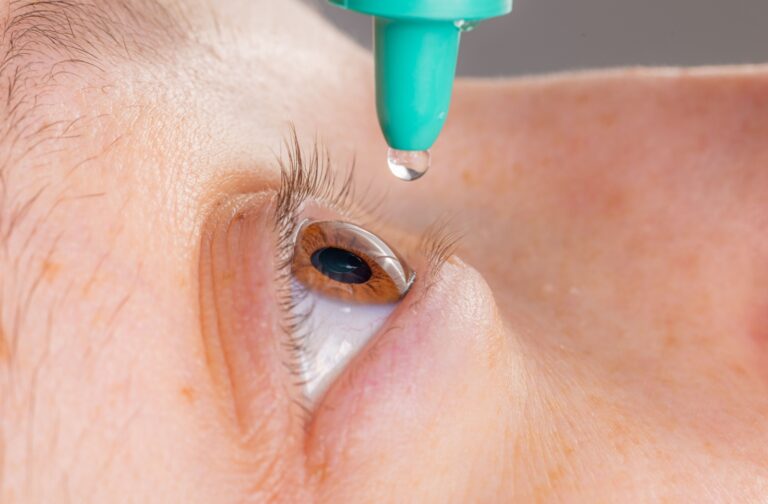
Glaucoma is a progressive eye condition that can cause permanent damage to the optic nerve, a critical part of your vision system. This condition develops slowly and may not show symptoms until significant vision loss occurs. Early detection through routine eye exams is key to slowing its progression and protecting your sight.
One type of glaucoma, open-angle glaucoma, can run in families. A family history of glaucoma significantly increases your risk of developing the condition. However, genetics is just one of several factors that contribute to glaucoma.
Additional Risk Factors for Glaucoma
While age and ethnicity play significant roles in glaucoma risk—particularly for individuals over 60 —glaucoma can still develop without a family history. These risks highlight the importance of regular eye exams for early detection, regardless of your background or medical history.
Eye injuries, past surgeries, and long-term use of corticosteroid medications, including eye drops, can further elevate risk. Understanding these factors helps you and your optometrist create a plan to protect your vision.
What Causes Glaucoma?
Glaucoma often results from increased pressure inside the eye, known as intraocular pressure. The eye continuously produces a fluid that nourishes its internal structures. This fluid flows out through a drainage system, but when the drainage process is disrupted, the fluid can build up, increasing pressure within the eye.
Over time, this pressure can damage the optic nerve, leading to vision loss. There are several types of glaucoma, each with unique causes:
- Open-angle glaucoma: The most common type, caused by a clogged drainage system. With early detection, it can often be managed.
- Narrow-angle glaucoma: This type occurs when the space between the iris and cornea closes, blocking fluid drainage and raising pressure. It requires immediate medical attention.
- Normal-tension glaucoma: This rarer form causes optic nerve damage without significant increases in pressure. Its cause is not fully understood.
- Secondary glaucoma: Results from specific causes such as eye injuries, inflammation, or long-term use of corticosteroids.
Since glaucoma can develop with few or no early symptoms, regular comprehensive eye exams are essential for monitoring eye health.
Symptoms of Glaucoma
In its early stages, glaucoma often develops without noticeable symptoms. Many people are unaware they have the condition until it starts affecting their vision. Common symptoms of glaucoma include:
- Gradual loss of peripheral vision.
- Blurred or patchy vision in more advanced stages.
- Tunnel vision as the condition progresses.
These symptoms may be subtle at first but can worsen over time. If you notice changes in your vision, schedule an eye exam with an optometrist to identify the cause and explore next steps.
How Is Glaucoma Treated?
While glaucoma cannot be cured, effective treatments are available to control the condition and help prevent further vision loss. Treatment options focus on lowering intraocular pressure and protecting the optic nerve. These may include:
- Prescription eye drops: Used to reduce fluid production or improve drainage.
- Laser procedures: Designed to open clogged drainage channels or improve fluid outflow.
- Surgery: Recommended for advanced cases, surgery may create a new drainage pathway to relieve pressure.
Why Are Regular Eye Exams Important?
Glaucoma often develops silently, without noticeable symptoms, until irreversible damage has occurred. Regular eye exams are the most reliable way to detect glaucoma in its early stages.
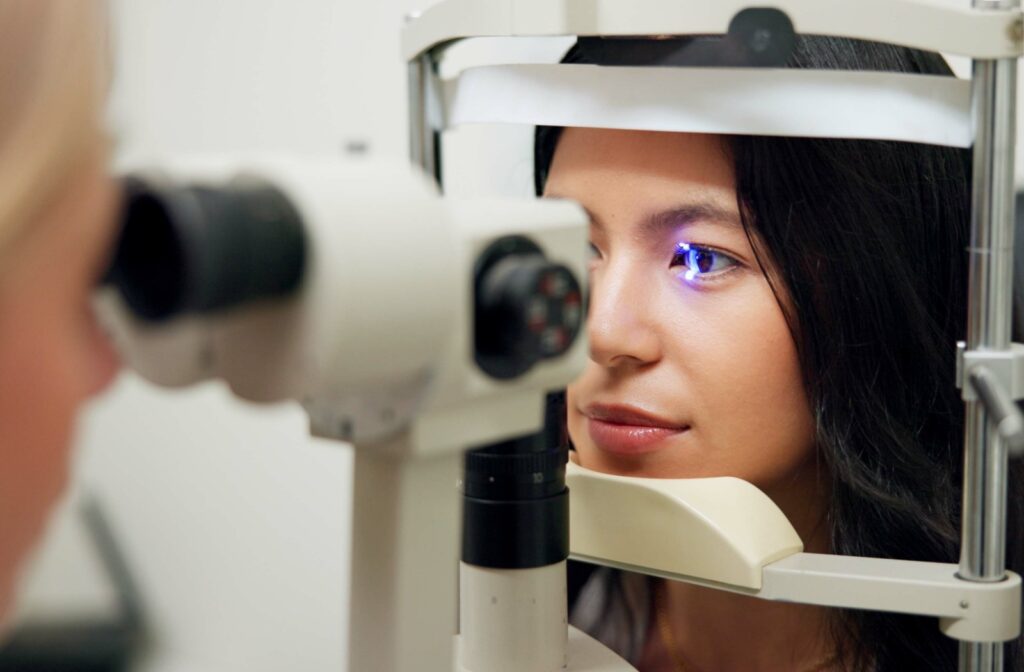
During a comprehensive exam, your optometrist may measure your intraocular pressure, assess your optic nerve for early signs of damage, and evaluate your peripheral vision for subtle changes that might indicate the condition. The “air puff test” is a common part of eye exams. While it might feel uncomfortable, it’s an important tool for measuring intraocular pressure (IOP). Elevated IOP can indicate glaucoma, a serious eye condition.
Taking Control of Your Eye Health
Managing glaucoma and maintaining healthy vision requires a proactive approach. You can reduce your risk and protect your sight by:
- Scheduling regular eye exams every 1–2 years, depending on your age and overall health.
- Discussing your family history and other risk factors with your optometrist.
- Following your optometrist’s recommendations for treatment or preventive care.
Remember, even if you don’t have a family history of glaucoma, routine exams and visits to your optometrist will offer peace of mind and the chance to address any emerging issues early.
Book Your Appointment with Eye Care Plus
At Eye Care Plus, we are committed to helping you protect your vision through personalized care and comprehensive eye exams. Our experienced team uses current diagnostic tools to monitor for glaucoma and other eye conditions, giving you a clear plan for maintaining your eye health.Don’t wait for symptoms to take control of your vision. If you’ve been diagnosed with glaucoma, managing it requires lifelong care and commitment to safeguarding your vision and overall eye health. Schedule your next eye exam with us today and let us help you safeguard your vision for years to come.


South Coulter Location
Phone:
(806) 855-8090OFFICE HOURS:
- Monday 8:00am - 5:00pm
- Tuesday 8:00am - 5:00pm
- Wednesday 8:00am - 5:00pm
- Thursday 9:30am - 5:00pm
- Friday 8:00am - 4:00pm
- Saturday 9:00am - 12:00pm
- Sunday Closed
Grand Location
OFFICE HOURS:
- Monday 8:30am - 5:00pm
- Tuesday 8:30am - 5:00pm
- Wednesday 8:30am - 5:00pm
- Thursday 9:30am - 5:00pm
- Friday 8:30am - 4:00pm
- Saturday Closed
- Sunday Closed
© 2026 Eye Care Plus. All rights Reserved. Accessibility Statement - Privacy Policy - Terms and Conditions - Sitemap
Powered by:
