

Effective Treatments for Dry Eyes You Can Get In-House
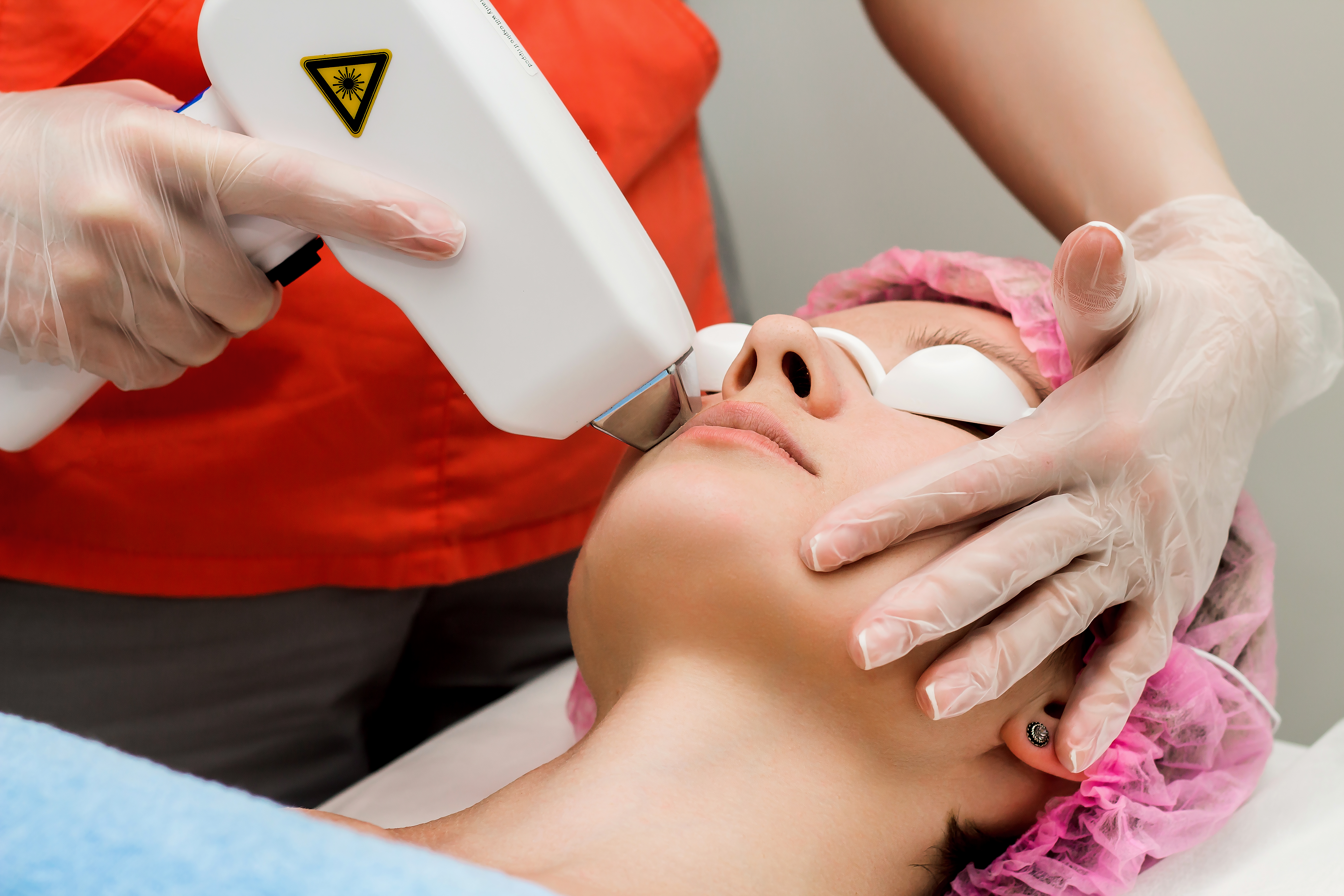
Dry eye can affect far more than comfort. When your eyes do not produce enough quality tears, everyday tasks like reading, driving, using screens, and wearing contact lenses can become frustrating. Symptoms such as burning, redness, blurry vision, and a gritty sensation often point to an underlying issue that needs more than basic eye drops. At Eye Care Plus, in-house dry eye treatment helps identify the cause of your symptoms and match you with targeted care designed to improve eye comfort and support long-term eye health.
How Dry Eye Is Diagnosed
Effective dry eye treatment starts with an accurate diagnosis. Dry eye can develop for different reasons, including poor tear quality, reduced tear production, inflammation, or meibomian gland dysfunction. Because of that, identifying the source of the problem is an important part of building the right treatment plan.
At Eye Care Plus, dry eye diagnosis includes a close evaluation of your symptoms, tear film, eyelid health, and ocular surface. We use TearLab as part of this process to measure tear osmolarity, which helps detect tear film imbalance commonly associated with dry eye disease. This kind of testing provides objective data that can support earlier detection and a more personalized approach to care.
A thorough dry eye evaluation can help determine not only whether you have dry eye, but also how severe it is and which in-office treatments may be most effective for lasting relief.
Common Dry Eye Treatments We Offer
At Eye Care Plus, we offersa range of in-office dry eye treatments, including TearCare, along with advanced options such as BlephEx, IPL, RF, and Low Level Light Treatment. These therapies support a more targeted approach to treating dry eye, eyelid inflammation, and meibomian gland dysfunction in the office.
What these treatments are designed to do
- TearCare helps warm and clear the meibomian glands so the tear film can work more effectively.
- BlephEx is used to remove debris and biofilm along the eyelid margins, which can be useful when blepharitis contributes to dry eye symptoms.
- Radiofrequency treatment is used to deliver controlled heat that supports gland function and eyelid health.
- IPL can reduce inflammation around the eyelids and is often recommended for patients with evaporative dry eye and rosacea-related symptoms.
- LLLT, or low level light therapy, is another light-based option used to support healthier gland performance and ocular surface comfort.
Benefits of Advanced Dry Eye Treatment
Advanced dry eye treatment offers more than temporary symptom relief. While artificial tears may help for a short time, in-office therapies are designed to address the underlying causes of dry eye, such as inflammation, blocked meibomian glands, and poor tear quality. This can lead to more consistent and longer-lasting improvement.
For many patients, advanced treatment can reduce burning, stinging, redness, fluctuating vision, and discomfort during screen use or reading. It may also improve tear film stability, support healthier eyelids and glands, and help protect the surface of the eye over time. When treatment is tailored to the specific cause of dry eye, patients often experience better comfort, clearer vision, and improved day-to-day function.
Getting the Right Treatment Plan
The best in-house dry eye treatment depends on what is actually causing the irritation. Some patients respond well to gland-based therapies like TearCare, IPL, RF, or LLLT. Others may benefit from eyelid hygiene with BlephEx. A targeted evaluation helps determine which approach is most likely to bring lasting relief.
Schedule a dry eye evaluation at Eye Care Plus to learn which advanced treatment options are right for you. Contact our offices in Amarillo, TX by calling (806) 855-8090 for our South Coulter location or (806) 318-5055 for our Grand location to book an appointment today.


South Coulter Location
Phone:
(806) 855-8090OFFICE HOURS:
- Monday 8:00am - 5:00pm
- Tuesday 8:00am - 5:00pm
- Wednesday 8:00am - 5:00pm
- Thursday 9:30am - 5:00pm
- Friday 8:00am - 4:00pm
- Saturday 9:00am - 12:00pm
- Sunday Closed
Grand Location
OFFICE HOURS:
- Monday 8:30am - 5:00pm
- Tuesday 8:30am - 5:00pm
- Wednesday 8:30am - 5:00pm
- Thursday 9:30am - 5:00pm
- Friday 8:30am - 4:00pm
- Saturday Closed
- Sunday Closed
© 2026 Eye Care Plus. All rights Reserved. Accessibility Statement - Privacy Policy - Terms and Conditions - Sitemap
Powered by:
